Wondering whether Walnut Creek feels more like a walkable downtown hub or a classic suburban community? The answer is both, and that is exactly why choosing the right area matters so much. If you are deciding between the energy of Downtown Walnut Creek and the quieter pace of surrounding neighborhoods, this guide will help you compare how daily life, housing, and mobility really differ. Let’s dive in.
Downtown Walnut Creek at a Glance
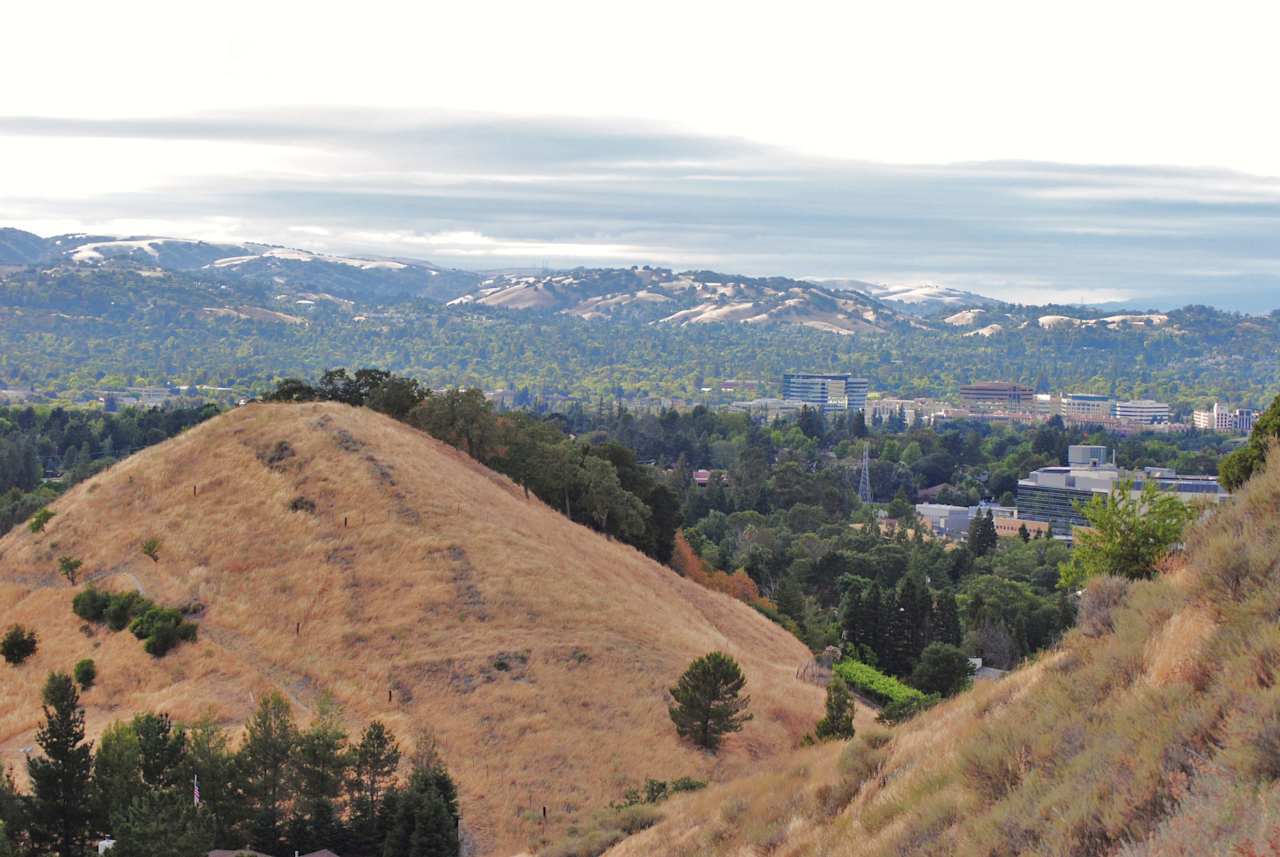
Downtown Walnut Creek is built for people who want convenience close at hand. The city’s planning history shows that the core area was intentionally shaped into a pedestrian-friendly, mixed-use district, with urban design that supports walking and a more active street life.
That vision still defines the area today. Downtown is widely seen as the heart of the community, with dining, shopping, arts, and entertainment concentrated in one central district. Walk Score rates Downtown Walnut Creek at 83, making it the most walkable neighborhood in the city.
For some addresses in the core, the walkability is even higher. A location like 1175 Mt Diablo Blvd scores 95 and sits about a 19-minute walk from Walnut Creek BART. That gives you a very different day-to-day rhythm than you will find in Walnut Creek’s more spread-out residential areas.
Suburban Walnut Creek at a Glance
Outside downtown, Walnut Creek shifts into a more residential pattern. Neighborhoods like Northgate and Larkey Park offer a different pace, with more separation between homes, shopping, and commuting routes.
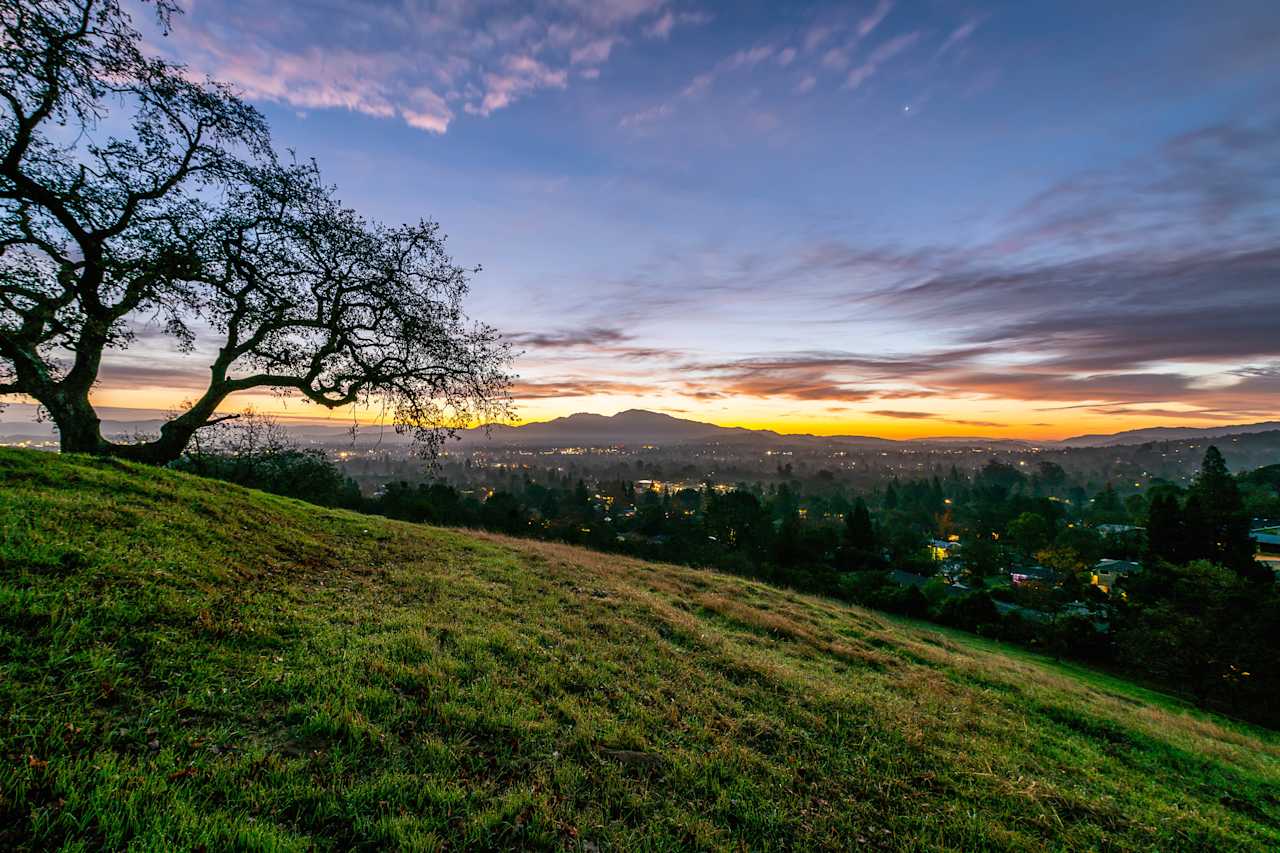
Northgate represents the lower-density end of that spectrum. Contra Costa County plan materials describe the broader Northgate area as semi-rural and low-density, surrounded by open space and agricultural lands, with single-family homes on large lots and newer suburban-style homes on one-acre sites.
Larkey Park sits somewhere in the middle. It feels more neighborhood-focused than downtown, but it is not as spread out as Northgate. That balance makes it useful for buyers who want some convenience without choosing a fully urban core.
Walkability and Daily Routine
Downtown favors errands on foot
If you want to leave the car parked more often, downtown stands out. With a Walk Score of 83, it is the easiest part of Walnut Creek for handling daily activities on foot. Restaurants, retail, and entertainment are close together, which can make your routine feel more flexible and spontaneous.
The city also supports that pattern with transit connections and a downtown trolley. Route 4, the Downtown Trolley, runs seven days a week from Walnut Creek BART and offers complimentary hop-on, hop-off service to downtown shopping, restaurant, and entertainment destinations.
Northgate is more car-oriented
Northgate offers a very different daily experience. Walk Score rates it at 32 and describes it as car-dependent, with minimal public transportation. Its Transit Score is 13, which reinforces the fact that most errands will likely require driving.
That does not make Northgate less appealing. It simply means the lifestyle tradeoff is clear. You gain space and a lower-density setting, but your day will usually be built around the car rather than around walking to nearby destinations.
Larkey Park offers a middle ground
Larkey Park Area lands between those two models. Its Walk Score is 53, which points to moderate walkability, and its Transit Score is 28, which is stronger than Northgate but still well below downtown.
For many buyers, that middle ground can feel practical. You may not be able to do everything on foot, but you can still enjoy a neighborhood setting with some nearby amenities and trail connections that support an active lifestyle.
Housing Style and Price Differences
Lifestyle and housing type usually go hand in hand in Walnut Creek. In broad terms, downtown offers more attached housing and mixed-use living, while suburban neighborhoods lean more heavily toward detached homes on larger lots.
Downtown has a denser housing mix
The Walnut Creek Transit Village reflects the downtown housing pattern well. Bay Area Rapid Transit says the project includes about 596 multi-family housing units along with 27,000 square feet of retail, which fits the area’s urban, transit-linked character.
That housing mix tends to attract buyers looking for lower-maintenance living, proximity to amenities, and easier access to transit. Redfin reported a March 2026 median sale price of $845,000 for Downtown Walnut Creek.
Northgate trends larger and higher-priced
Northgate sits in a much higher price tier. Redfin reported a March 2026 median sale price of $2.05 million, with homes averaging 15 days on market. That pricing aligns with the area’s large-lot, lower-density housing pattern.
For buyers, this often means a different value equation. Instead of paying for walkability and mixed-use convenience, you are typically paying for lot size, separation, and a more suburban setting near open space.
Larkey Park falls between the two
Larkey Park Area posted a March 2026 median sale price of $1.3375 million. Redfin also noted a mix of inventory there, including houses, condos, a townhouse, and a multi-family unit, although the area remains primarily residential.
That mix helps explain why Larkey Park often feels like a bridge between downtown and Northgate. It is more neighborhood-oriented than downtown, but it can still offer more variety than a purely detached-home environment.
Why neighborhood medians need context
It is important to treat monthly neighborhood medians as directional, not absolute. The reported March 2026 sample sizes were small, with four sales in Northgate and six in Larkey Park.
This is where local pricing guidance matters. A neighborhood headline can be useful, but your actual value depends on the property’s condition, lot, floor plan, location within the neighborhood, and the current pool of competing listings.
Transit, Parking, and Commuting
Downtown offers more built-in mobility
If transit access matters to you, downtown has the clearest advantage. Walnut Creek BART serves downtown Walnut Creek and major employment and shopping areas, while the city’s trolley adds another layer of local mobility.
Parking is also managed as part of the downtown experience. The city lists downtown core meters at $2 per hour, with $1 per hour meters in surrounding areas north, south, and west of the core. City garages offer the first hour free, then charge $1.25 per hour.
BART parking adds another layer to compare
For commuters, station parking costs can affect the overall lifestyle equation. Walnut Creek BART currently lists daily parking at $3.90 in the North Garage and $8 in the privately owned South Garage, with reserved parking options also available.
BART has also announced parking rate increases effective July 1, 2026. If your home search includes a regular BART commute, that is worth factoring into your monthly cost planning.
Suburban areas trade transit for space
Northgate is much less transit-centered. The low Transit Score and car-dependent layout mean your commute and errands will likely require more planning around traffic and drive times.
Larkey Park is more mixed. It does not offer the same plug-and-play transit experience as downtown, but it can give you a more balanced setup if you want a residential environment without feeling fully disconnected.
Shopping, Dining, and Things to Do
Downtown concentrates restaurants and retail
If you want the broadest range of dining and shopping close to home, downtown has the clear edge. Walnut Creek Downtown lists more than 120 restaurants in the district, and Broadway Plaza includes more than 80 retailers and specialty shops.
That concentration creates a lifestyle built around choice and convenience. It can be a strong fit if you like being able to meet friends, run errands, and enjoy entertainment without driving across town.
Downtown also feels more event-focused
Beyond restaurants and retail, downtown leans more heavily into arts and entertainment. The city’s planning history and downtown association both point to a core shaped around pedestrian activity and a mix of cultural and commercial uses.
That can make downtown feel more active from day to day. For some buyers, that energy is a major plus. For others, it may confirm that a quieter residential setting is a better match.
Suburban neighborhoods lean into open space
The suburban side of Walnut Creek offers a different kind of amenity base. The city manages more than 3,000 acres of open space across four areas and more than seven miles of neighborhood trails, which supports a more outdoor-oriented lifestyle.
Northgate especially reflects that pattern. Plan materials describe it as surrounded by Mount Diablo State Park, Diablo Foothills Regional Park, Lime Ridge, and Shell Ridge open space, reinforcing its lower-density setting.
Larkey Park centers on the neighborhood park
Larkey Park’s identity is shaped by the park itself. The city describes a 13-acre park with playgrounds, a swim center, tennis, volleyball, picnic areas, trail connections, parking, and nearby institutions including the Lindsay Wildlife Museum and Walnut Creek Model Railroad Society.
That gives the area a very specific feel. Instead of a downtown-style concentration of shops and restaurants, the neighborhood is anchored by recreation and shared outdoor space.
Which Walnut Creek Lifestyle Fits You?
If you want walkability, transit access, and a denser mix of homes near dining and retail, downtown is the clearest fit. If you prefer larger lots, a quieter lower-density residential setting, and proximity to open space, Northgate may line up better with your goals.
If you want something between those two extremes, Larkey Park deserves a close look. It offers a park-centered neighborhood identity with moderate walkability and a housing profile that sits between urban core living and larger-lot suburbia.
The right choice often comes down to how you want your everyday life to work. That includes not just budget, but also how often you want to drive, how much space you need, and whether you value proximity to restaurants, trails, transit, or neighborhood recreation most.
In Walnut Creek, those differences can show up clearly from one area to the next. If you want help comparing neighborhood tradeoffs with real pricing context, local market data, and valuation insight, connect with The Corio Group.
FAQs
How walkable is Downtown Walnut Creek compared with Northgate?
- Downtown Walnut Creek is far more walkable, with a Walk Score of 83 compared with Northgate’s 32, which means downtown supports more errands on foot while Northgate is generally car-dependent.
What types of homes are common in Downtown Walnut Creek?
- Downtown Walnut Creek has a denser housing mix, including multi-family and attached housing, which fits its mixed-use, transit-oriented setting.
How does Larkey Park compare with Downtown Walnut Creek and Northgate?
- Larkey Park sits between them, with moderate walkability, a park-centered neighborhood feel, and a housing mix that is more varied than a purely detached-home area.
What is the price difference between Downtown Walnut Creek and Northgate?
- Based on March 2026 Redfin data, Downtown Walnut Creek had a median sale price of $845,000, while Northgate reached $2.05 million, though monthly neighborhood medians should be viewed as directional because sample sizes were small.
Is Downtown Walnut Creek better for BART commuters?
- Downtown Walnut Creek is generally better for BART commuters because it has direct access to Walnut Creek BART, plus local trolley service that connects the station with downtown destinations.
What makes Northgate feel more suburban in Walnut Creek?
- Northgate’s semi-rural, low-density layout, larger lots, surrounding open space, and car-oriented daily routine all contribute to a more suburban lifestyle.