Looking for a community where getting outside feels easy, not like a special trip? In Pleasant Hill, outdoor living is built into daily life through a broad mix of parks, open space, paved trails, and recreation options. If you are weighing a move or simply trying to understand what everyday living here can look like, this guide will walk you through the parks, paths, and play spaces that shape the local lifestyle. Let’s dive in.
Pleasant Hill’s Outdoor Lifestyle at a Glance
Pleasant Hill has a strong outdoor foundation thanks in large part to the Pleasant Hill Recreation & Park District. The district, established in 1951, serves more than 40,000 residents, manages 15 parks across more than 275 acres of parks and open space, and offers more than 2,300 classes and activities each year.
That scale matters when you are thinking about real life, not just a map pin. It means outdoor access in Pleasant Hill is not limited to one standout park. Instead, you get a network of places that support walks, playtime, dog outings, sports, picnics, and short scenic escapes close to home.
The district also notes that it has used recycled water for more than 15 years on many of its largest irrigated areas. For residents, that helps explain why some of Pleasant Hill’s major lawns stay green and usable for everyday recreation.
Parks That Support Everyday Living
Pleasant Hill’s park system works well because it offers variety. Some parks are built for active play, some for casual gatherings, and some for open-space access when you want a change of pace.
Pleasant Hill Park for Central Amenities
Pleasant Hill Park is one of the town’s key gathering spaces. This 16.5-acre central park includes three reservable picnic areas, BBQs, basketball and bocce courts, softball and soccer space, playgrounds, horseshoes, community gardens, and the PH Aquatic Park.
The aquatic park adds another layer of usability, especially in warmer months. It is open year-round, with public swim offered from Memorial Day through Labor Day, which gives the park consistent appeal for residents looking for recreation close to home.
Pleasant Oaks Park for Walks and Sports
Pleasant Oaks Park is an 11-acre renovated park that blends accessibility with active use. It includes an ADA-compliant walking path, shaded picnic areas, restrooms, playgrounds, softball fields, and a full-sized soccer field.
If you want a park that can work for both a casual afternoon and a more structured activity, Pleasant Oaks is a strong example. It supports everyday park use while also accommodating organized sports and group outings.
Dinosaur Hill Park for Quick Scenic Views
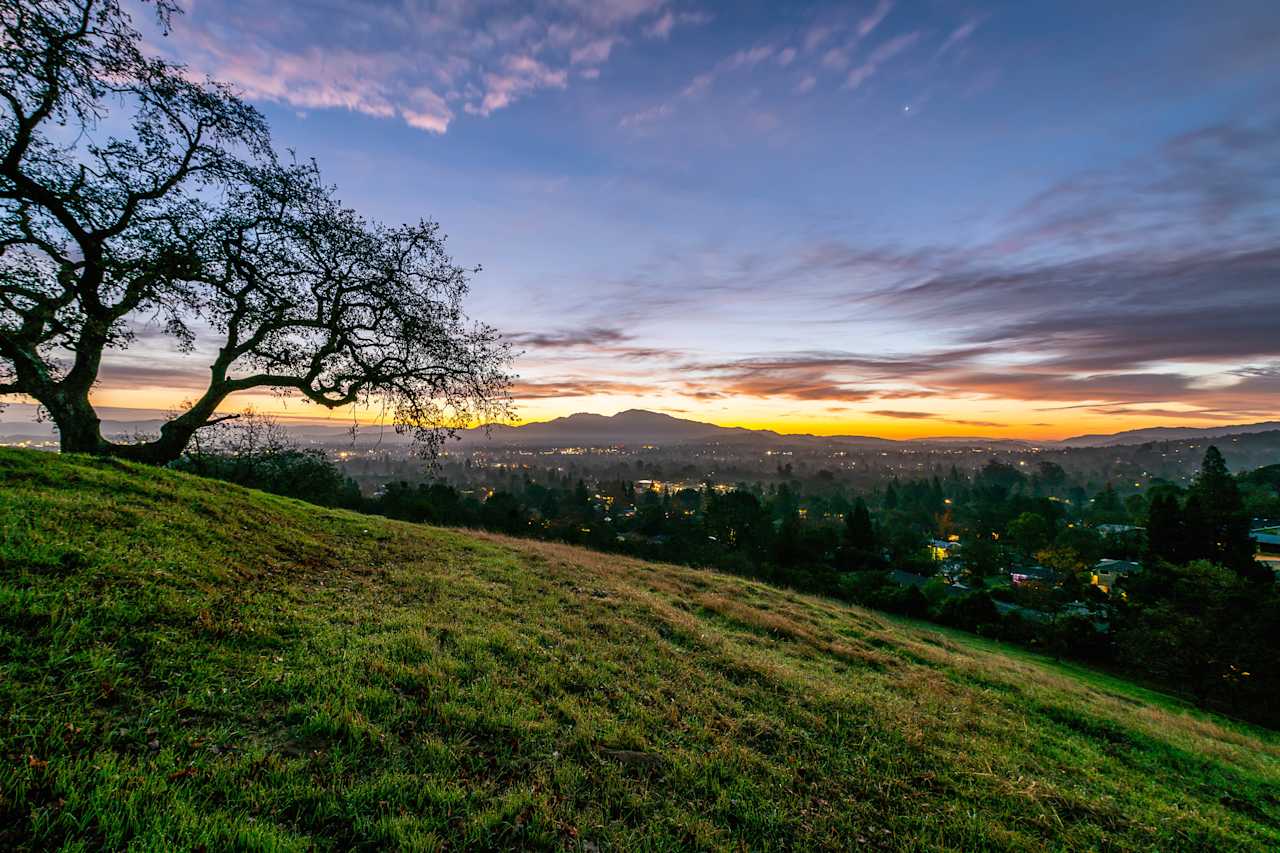
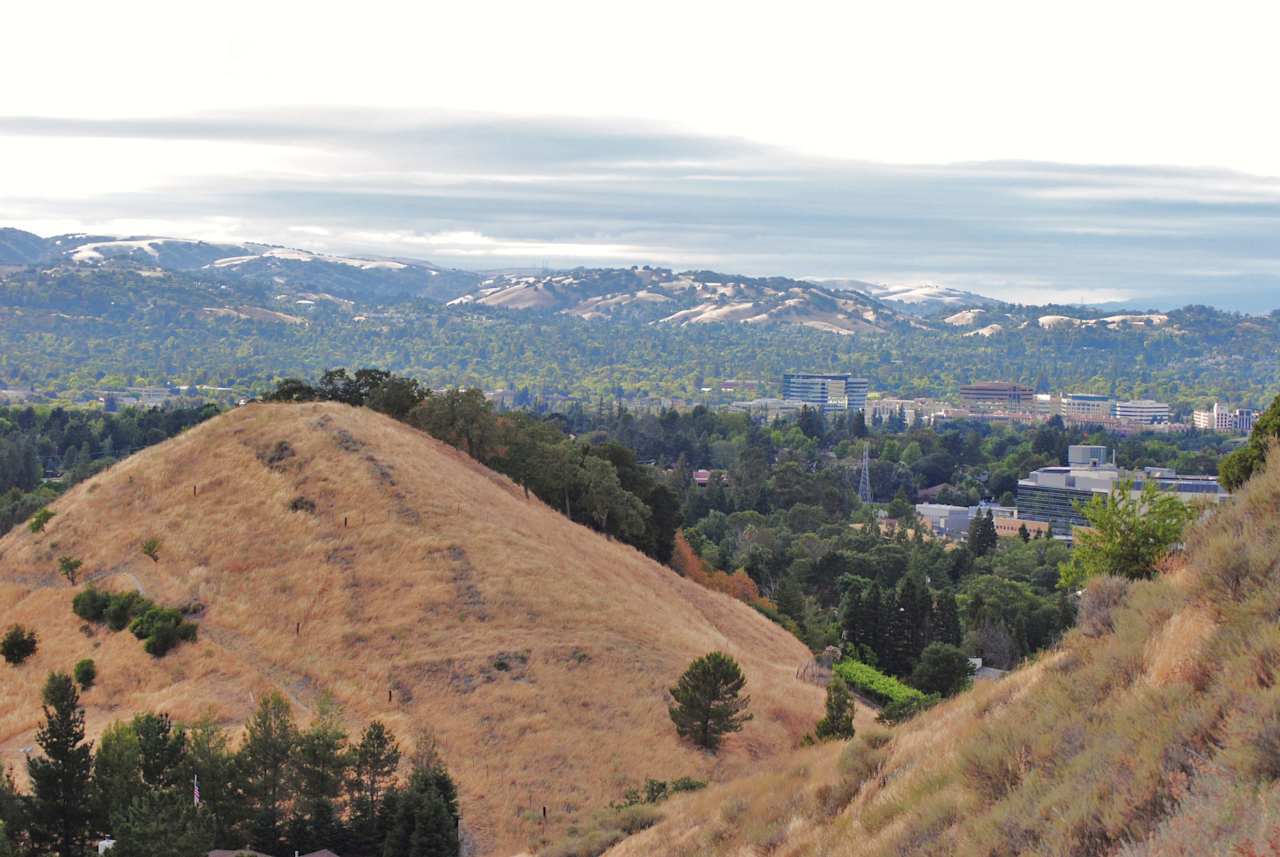
Dinosaur Hill Park offers a different kind of outdoor experience. This 13-acre hillside park on Taylor Boulevard is known for its short hike to an overlook with views of Contra Costa County and Mt. Diablo.
For many buyers, that kind of nearby scenic access is a meaningful quality-of-life feature. You do not need to plan a full day outdoors to enjoy it. Just keep in mind that the parking lot gate is locked at sunset.
Rodgers-Smith Park for Recreation Options
Rodgers-Smith Park is a 4.5-acre neighborhood park with a basketball court, bocce courts, a picnic area with BBQ, a playground, a sand volleyball court, and a softball and soccer field. It is the kind of park that supports a wide range of uses in a compact footprint.
There is one important practical note here. At the time of research, the playground and picnic areas were temporarily closed while the district replaced the restroom and added ADA improvements, so it is smart to check current status before making plans around those amenities.
Dog-Friendly Outdoor Access in Pleasant Hill
If outdoor living for you includes regular dog walks or off-leash time, Pleasant Hill has a clear standout. Paso Nogal Park is one of the area’s most useful dog-friendly assets.
Paso Nogal Park for Dogs and Trails
Paso Nogal Park includes a fenced 2.5-acre dog exercise park, small picnic areas, and about 63 acres of scenic hiking trails. That combination gives you flexibility depending on the kind of outing you want.
The fenced area is the off-leash dog zone, while dogs must remain leashed outside that space on the trails. For buyers who want easy access to both dog play and open-space walking, Paso Nogal is one of Pleasant Hill’s most practical lifestyle features.
Trails That Extend Beyond the Neighborhood
Pleasant Hill’s outdoor appeal is not limited to local parks. It also benefits from regional trail connections that support walking, biking, and more car-light movement around the area.
Iron Horse Regional Trail Access
The Iron Horse Regional Trail is one of the most important outdoor corridors serving Pleasant Hill. East Bay Regional Park District describes it as a paved, multi-use trail connecting Concord and Pleasanton, with access for bikes, eBikes, dogs, and horses.
The trail also connects residential areas, commercial districts, schools, parks, open space, and public transportation. For daily life, that matters because it turns the trail into more than a recreation route. It becomes part of how some residents move through the area.
Trail hours are listed as 5 a.m. to 10 p.m. unless otherwise posted. Contra Costa County also identifies Pleasant Hill as one of the jurisdictions along this corridor.
Contra Costa Canal Regional Trail Access
The Contra Costa Canal Regional Trail is another major regional connector. According to East Bay Regional Park District, it provides a safe off-road corridor connecting Martinez, Pleasant Hill, Walnut Creek, and Concord.
It also links to local parks and other regional trails, which adds to Pleasant Hill’s sense of connected outdoor access. The trail is paved and described as wheelchair accessible, making it a useful option for a wider range of users.
BART-Area Bike and Pedestrian Connections
Pleasant Hill’s location becomes even more appealing when you factor in access near the Pleasant Hill/Contra Costa Centre BART area. Contra Costa County’s bicycle and pedestrian improvement materials identify the route between the Iron Horse Trail and the BART area as a key corridor.
That is important if you are hoping for outdoor access that does not always start with getting in the car. It supports a lifestyle where trails, transit, and neighborhood movement can connect more naturally.
Why This Matters for Homebuyers
When buyers compare communities, they often focus first on home features, price, and commute. Those are important, but the day-to-day feel of a place often comes down to how easy it is to step outside and actually use the area around you.
Pleasant Hill stands out because its outdoor assets form a repeatable network. You have parks for sports and play, picnic infrastructure for casual get-togethers, scenic hillsides for short outings, a notable dog-friendly open-space area, and regional trails that support walking and biking beyond a single neighborhood.
That kind of pattern can shape how a home feels once you live there. A nearby path, park, or dog area may not change the square footage of a property, but it can absolutely change how often you use your weekends, mornings, and evenings.
What Buyers Should Keep in Mind
Outdoor access is a real lifestyle advantage, but it helps to look at the details. Not every park amenity is available at all times, and some spaces have specific rules or hours.
As you explore Pleasant Hill, it is smart to check current park conditions, trail hours, and any temporary closures. For example, Dinosaur Hill’s parking lot gate is locked at sunset, and Rodgers-Smith Park had temporary amenity closures in place during district improvement work.
If you are comparing homes in Pleasant Hill, it also helps to think in practical terms:
- How close do you want to be to a neighborhood park?
- Would you use paved regional trails for walking or biking?
- Do you want access to picnic space, sports fields, or playgrounds?
- Is a dog park or open-space trail system important to your routine?
- Would BART-area bike and pedestrian connectivity add value to your day-to-day life?
These are exactly the kinds of lifestyle questions The Corio Group explores with every buyer before the home search begins - because the neighborhood matters as much as the house.
If you are thinking about buying or selling in Pleasant Hill or anywhere across the East Bay, The Corio Group would love to be your guide - to the market and to the community. We've helped buyers find homes near the trails, parks, and neighborhoods that match how they actually want to live, for over 20 years throughout Alameda and Contra Costa Counties. Call or text (925) 550-7193 or email [email protected] to start the conversation.
FAQs
What makes Pleasant Hill a good place for outdoor living?
- Pleasant Hill offers a broad network of parks, open space, and regional trail access, supported by the Pleasant Hill Recreation & Park District’s 15 parks, 275-plus acres of parks and open space, and year-round recreation programming.
Which Pleasant Hill park is best for picnics and family amenities?
- Pleasant Hill Park is one of the strongest options for picnics and group outings because it includes reservable picnic areas, BBQs, playgrounds, sports courts, open play space, and the PH Aquatic Park.
Where can dog owners find off-leash space in Pleasant Hill?
- Paso Nogal Park is the clearest option for dog owners, with a fenced 2.5-acre dog exercise park and additional scenic hiking trails where dogs must be leashed outside the fenced area.
Are there accessible walking paths in Pleasant Hill parks and trails?
- Yes. Pleasant Oaks Park includes an ADA-compliant walking path, and both the Iron Horse Regional Trail and Contra Costa Canal Regional Trail are paved routes described as accessible.
Can you reach outdoor areas in Pleasant Hill without driving everywhere?
- In many cases, yes. Pleasant Hill benefits from regional trail connections and bike-pedestrian links near the Pleasant Hill/Contra Costa Centre BART area, which support a more car-light lifestyle.
What should buyers know before visiting Pleasant Hill parks?
- Buyers should check current park and trail conditions before visiting because hours, rules, and amenity availability can vary. For example, Dinosaur Hill’s parking lot gate is locked at sunset, and Rodgers-Smith Park had temporary closures tied to improvement work at the time of research.