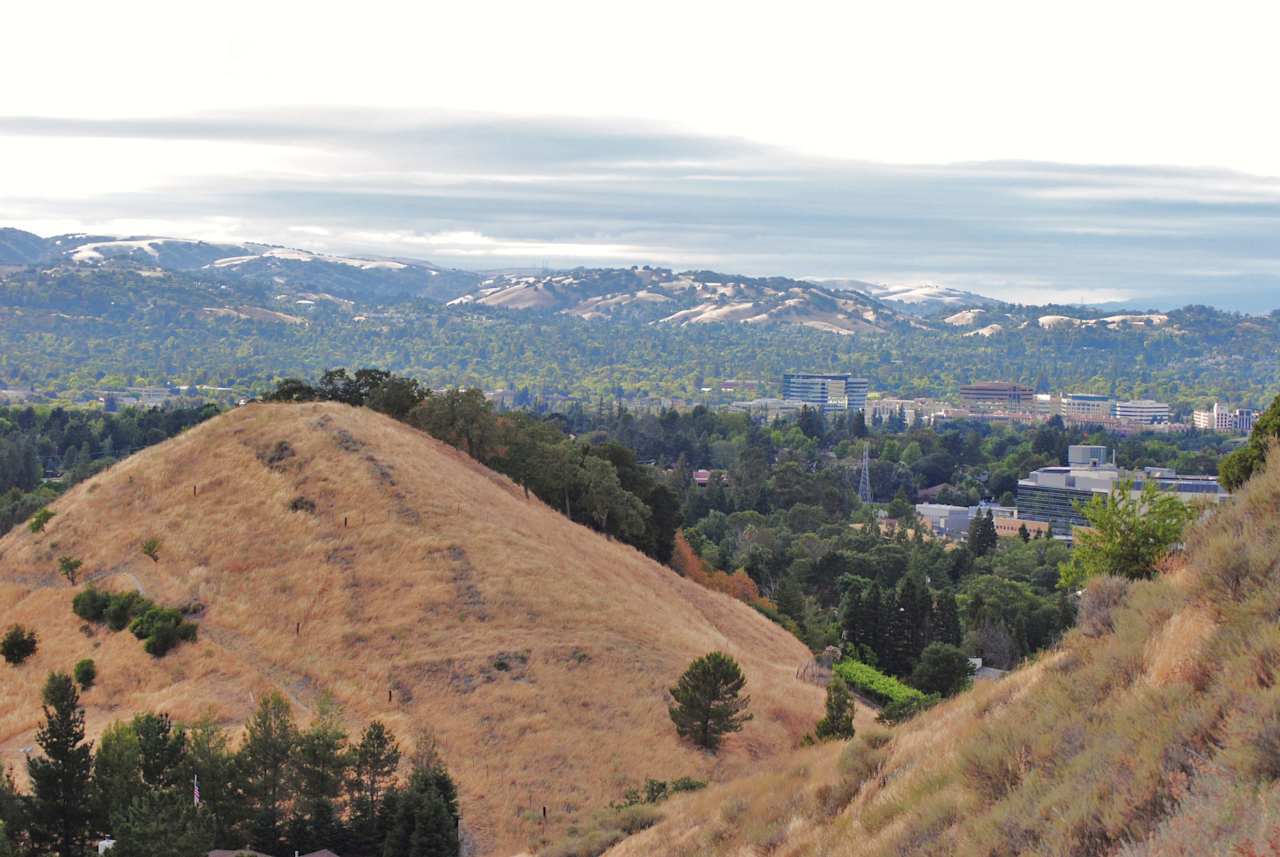
Wondering whether Walnut Creek is worth the premium, or if a nearby suburb might fit your budget and lifestyle better? If you are comparing East Bay options, the right choice often comes down to how you balance home prices, housing style, commute patterns, and the feel of everyday life. This guide breaks down Walnut Creek, Pleasant Hill, Concord, and Martinez so you can compare them with more clarity and confidence. Let’s dive in.
Walnut Creek housing at a glance
Walnut Creek sits at the higher end of this local comparison. In May 2026, the median sale price for detached homes was $1.585 million, while attached homes had a median sale price of $692,500.
That pricing helps explain why many buyers view Walnut Creek as a premium market within central Contra Costa County. If you are shopping here, you are often paying more for location, access, and lifestyle amenities, not just square footage alone.
Walnut Creek’s housing stock also has variety. The city notes that growth accelerated in the mid-1950s, about 39.3% of homes were built before 1970, and roughly 5,000 single-family attached units make up about one-seventh of the city’s housing stock.
In practical terms, that means you will find a mix of older single-family neighborhoods, attached housing options, and residential communities near downtown and BART. The overall housing profile feels broader than many buyers expect at first glance.
Nearby suburbs by price
If price is one of your first filters, the gap between Walnut Creek and nearby suburbs is meaningful. Based on detached-home medians, Walnut Creek is roughly double Concord and Martinez on the price ladder.
Here is a simple side-by-side snapshot from the research data:
| City |
Home type |
Median sale price |
Timeframe |
| Walnut Creek |
Detached |
$1.585M |
May 2026 |
| Walnut Creek |
Attached |
$692.5K |
May 2026 |
| Concord |
Detached |
$803K |
April 2026 |
| Martinez |
Detached |
$780K |
May 2026 |
| Martinez |
Attached |
$567.5K |
May 2026 |
| Pleasant Hill |
Attached |
$615K |
March 2026 |
Pleasant Hill is a little harder to compare on a like-for-like basis because the available citywide numbers blend property types. Redfin reported a $925,000 median sale price over the three months ending April 2026, and Zillow reported $905,833 as of March 31, 2026, but those figures combine detached homes, condos, and townhomes.
That matters if you are trying to compare one city’s detached-home market to another. A clean comparison starts with property type, then moves to neighborhood, condition, and commute convenience.
Walnut Creek lifestyle and premium
Walnut Creek tends to draw buyers who want more than a house. The city describes downtown as a major shopping, dining, and regional arts destination, and local arts offerings include the Lesher Center for the Arts, Bedford Gallery, and Center Repertory Company.
That combination is a big reason the city commands a premium. For many buyers, Walnut Creek offers a blend of walkability, retail access, and cultural amenities that is hard to match nearby.
Transportation is another part of the value story. Walnut Creek is on BART’s Antioch-to-SFIA/Millbrae line, and the city notes that downtown is easy to reach by car, bus, or rail, with access near a freeway onramp.
If your routine includes transit-connected job centers or you want a more active downtown environment, Walnut Creek often checks those boxes. For some buyers, that convenience supports the higher price point.
Pleasant Hill offers a suburban alternative
Pleasant Hill often appeals to buyers who want a more suburban feel while staying close to Walnut Creek. The city describes itself as centrally located along I-680 with small-town charm and a vibrant downtown, and its history points to growth from farmland into a World War II-era bedroom community.
The city’s downtown civic core gives Pleasant Hill a distinct identity. City Hall grounds, the lake setting, and nearby trail and park connections contribute to a more neighborhood-centered atmosphere.
From a housing perspective, Pleasant Hill can feel like a lower-rise alternative to Walnut Creek’s denser downtown core. Its attached-home median of $615,000 in March 2026 suggests a potentially more approachable entry point for buyers focused on condos or townhomes.
Transit access is another strength. Pleasant Hill / Contra Costa Centre brings together BART, buses, Highway 680, and the Iron Horse Trail, making it one of the more multimodal options in the area.
Concord brings the widest housing mix
Concord stands out for product diversity. The city’s housing element describes a broad mix that includes small-lot single-family homes, townhomes, condominiums, and multifamily housing.
For buyers, that can mean more options at different price points and in different settings. Concord also notes higher-density opportunities near commercial and mixed-use zones, including by-right multifamily in those districts and overlay zoning that can allow up to 60 dwelling units per acre on about 20 acres.
In April 2026, Concord’s detached-home median sale price was $803,000. That places it far below Walnut Creek’s detached median and makes Concord a natural comparison for buyers who want more flexibility in price and housing type.
Lifestyle-wise, Concord offers a broad everyday-use environment. The city highlights an extensive park system, more than 25 reservable parks, Lime Ridge Open Space trails, and a downtown plaza that serves as a central gathering place.
Concord also shares the same BART line as Walnut Creek and Pleasant Hill. If rail access is high on your list, Concord stays in the conversation while often opening up more budget room.
Martinez offers historic waterfront character
Martinez has a different feel from the other three cities in this comparison. The city’s waterfront and marina resources emphasize a historic downtown, marina-oriented recreation, open space, boat slips, trails, and a fishing pier.
That setting creates a more historic and shoreline-connected identity than a retail-centered downtown. If character and outdoor access matter more to you than a BART-centered commute, Martinez may deserve a closer look.
On pricing, Martinez came in at a $780,000 median sale price for detached homes and $567,500 for attached homes in May 2026. That places it below Walnut Creek on a detached-home basis and closer to the middle of the East Bay affordability range.
Transportation is the main tradeoff. Martinez is served by Amtrak connections including the California Zephyr, Coast Starlight, and San Joaquins, along with Capitol Corridor Thruway bus service and local bus connections, but it is not directly served by light rail.
For many buyers, that means Martinez works differently from the standard BART commute pattern. It may be a better fit if your priorities lean toward historic character, waterfront access, and regional rail options.
How to compare these cities
If you are narrowing down where to buy, it helps to compare these cities through a few practical lenses. Price matters, but so do housing type, commute style, and what you want your day-to-day life to feel like.
A simple framework looks like this:
- Choose Walnut Creek if you want a premium market with strong downtown amenities, arts, retail, and BART access.
- Choose Pleasant Hill if you want a more suburban setting with a civic-centered downtown and strong multimodal access.
- Choose Concord if you want the widest mix of housing types and more varied price points.
- Choose Martinez if you value historic character, waterfront recreation, and a different regional transit pattern.
The best fit depends on what you are optimizing for. Some buyers want downtown energy and walkability, while others want more flexibility in housing stock or a more distinct small-town setting.
Why local pricing context matters
When you compare Walnut Creek and nearby suburbs, headline numbers are useful, but they only tell part of the story. A detached-home median, an attached-home median, and a blended citywide figure each measure something different.
That is why careful pricing analysis matters before you buy or sell. The most useful comparisons look at property type, location within the city, age of housing, transit access, and the local lifestyle tradeoffs that influence value.
If you are selling, this kind of detail helps support a defensible list price. If you are buying, it helps you understand whether a premium is backed by the features and location advantages that matter most to you.
If you want help weighing Walnut Creek against Pleasant Hill, Concord, or Martinez, The Corio Group can help you compare value, pricing, and fit with a clear local lens.
FAQs
What is the median home price in Walnut Creek compared with nearby suburbs?
- Walnut Creek’s median sale price was $1.585 million for detached homes and $692,500 for attached homes in May 2026, compared with $803,000 for Concord detached homes, $780,000 for Martinez detached homes, $567,500 for Martinez attached homes, and $615,000 for Pleasant Hill attached homes.
Is Walnut Creek more expensive than Concord and Martinez?
- Yes. Based on the reported detached-home medians, Walnut Creek is roughly double Concord and Martinez on the price ladder.
Which East Bay city has the best BART access for commuters?
- Walnut Creek, Pleasant Hill / Contra Costa Centre, and Concord all share BART access on the Antioch-to-SFIA/Millbrae line, while Martinez is not directly served by light rail.
What kind of lifestyle does Walnut Creek offer compared with Pleasant Hill?
- Walnut Creek is known for shopping, dining, arts, and a more active downtown environment, while Pleasant Hill offers a more suburban, civic-centered setting with small-town charm and strong multimodal access.
What makes Martinez different from Walnut Creek, Pleasant Hill, and Concord?
- Martinez stands out for its historic downtown, marina and waterfront recreation, trails, fishing pier, and Amtrak-based regional rail connections rather than a BART-centered commute pattern.